29 June 2023
Investors lack agility because the IT landscape isn't in the right shape: In conversation with Simon Callan
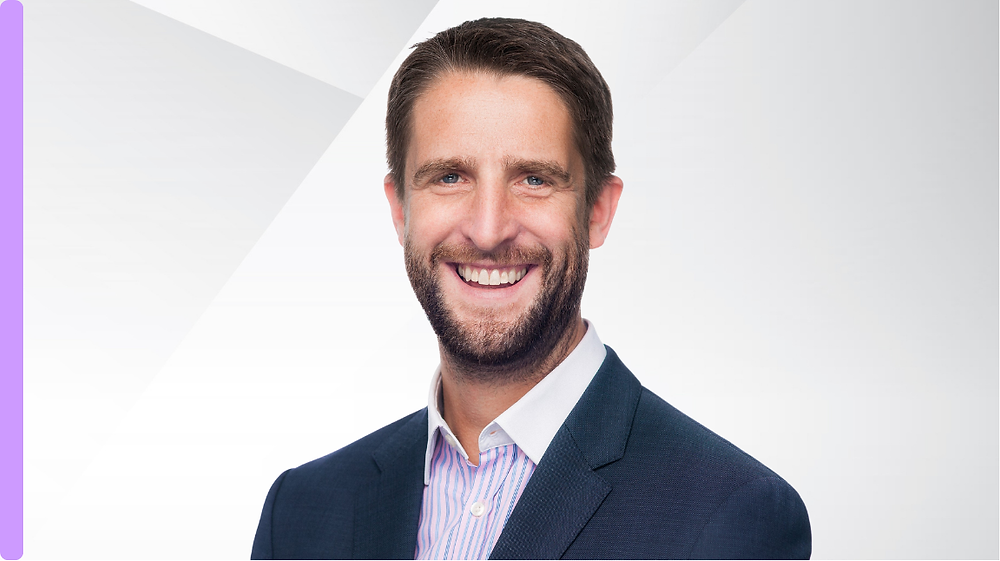
We chat with Simon Callan, our CTO at Impactive, about his passion for technology, what brought him into the ESG investment world, and his observations about the challenges and opportunities asset managers are facing in the tech space.
Hi Simon, tell us a little bit about yourself and your career so far
I'm just a straightforward guy from the north of England who loves life, family... and tech! I grew up in a household where helping out was expected, which gave me a strong work ethic to always try to improve and do things faster and better. I was exposed to technology from a young age through a home computer (Acorn Electron) and programmes like Tomorrow's World which fuelled my interest and passion.
In my career, I have followed a fairly well-trodden path from software engineer through to solution architect and now CTO at Impactive. I have worked at and with many different companies during my career, especially within the financial services sector, and have made many great memories in some challenging times along the way. Problem-solving and innovation are what drive me and excite me, especially at the dawn of this new age. At my core, I'm an engineer first who has also acquired a few additional duties and takes in his stride, with excitement, whatever comes next!
How did you get involved in Impactive?
Good question - I'm wondering myself! I have just explained my love for problem-solving and innovation, so when Mais, my wife, started to talk more and more about the problems in the ESG, stewardship, RI and reporting space I couldn't fight the temptation to ask: "What are these problems you are talking about and why has no one built something already?" Well, that was it - I listened intently, wrote things down, started drawing some pictures, and went through the kind of process that I was used to from my 15 years or so of consulting.
I experimented with a couple of low-code solutions first before realising that the only way I'd be able to achieve our ambitions without constraints was to build from the ground up. Working as a husband and wife co-founder team has so far been a great experience - Mais and I are very much on the same page, although we do obviously have healthy disagreements too.
As someone from a traditional tech background, what do you think about the responsible investment industry?
Like most new domains it comes with a lot of new acronyms, standards, regulations, drivers, and business activities. My first observation was this area is very data-heavy - almost overwhelming - and I sometimes wonder how the portfolio managers, analysts, and reporting teams even make sense of it all.
Another aspect that surprised me was the prevalence of end-user computing - spreadsheets, Access databases, and other 'systems' to store records and create reports. I honestly thought it would be more sophisticated, hence my surprise that the problem wasn't really solved already. I have sympathy because I know how technology transformations can overrun and under-deliver, leaving client-facing teams resorting to solutions they have greater control over.
When it comes to the industry itself, I see value in the entire ESG movement alongside the supporting codes and regulations that are shepherding the flow of capital and driving better behaviours by corporate players. Part of me sometimes thinks it's a bit too slow-moving and not necessarily operating the agile principles that we have adopted in the tech space - perhaps that's by design due to the scale of what is required.
What do you see as the main problem asset managers and asset owners are facing on the technology front?
I see the same problems as I have seen throughout my career - data siloed across disparate, disconnected repositories, legacy systems that haven't aged so well, under-resourced and -equipped IT teams, a patchwork of end-use solutions, and business teams under pressure to service their clients and adapt to regulations. There is also a lack of standards on data contracts for the flow of information from asset managers to asset owners.
The main problem I see for asset managers is that they don't necessarily have the agility they need to meet new demands because the IT landscape isn't in the right shape.
I have been through several multi-year transformation projects at some of the biggest banks in the world - mostly successful, but requiring large budgets, strong teams, and stakeholder commitment to go the course and achieve the desired outcomes. Luckily, every year things are getting easier to create sophisticated and tailored solutions with many more success stories to point at.
Asset owners have a different set of concerns, relying heavily on the asset managers to make consistent returns for their members and to help them report on their own specific goals. Getting an accurate, complete, and data-rich feed in a standard format from their asset managers is probably one of their biggest challenges.
What are your feelings about AI?
The hype cycle is in full swing and I have been keeping up to date as well as evaluating various different AI tools and frameworks. I really like Elon Musk's understated phrase that "the future's gonna be weird" - we are definitely going into uncharted territory. At the moment the underpinnings are based on machine learning, large language models (LLMs), and functionality on top to give the appearance of intelligence. We are not yet at the point of real artificial general intelligence (AGI), which is where things will start to get, well, weird.
I try not to think too far ahead about an AI overlord or Terminator-style apocalypse, and instead see it as an assistive technology - a smart helper that can help you do things faster, spark creativity, and gain insights over large amounts of data. It really is a great time to be in tech. Having worked in a heavily regulated industry for a long time, I tend to agree that some form of AI regulation sooner rather than later is necessary. We have ideas about how we could potentially enhance the Impactive experience with these new technologies.
If you weren't in technology, what would you be doing instead?
I really love technology so it's hard to think of not working with tech - however, I also love the outdoors, good weather, people, and music, so I'd probably be doing bike tours or hiking in the day and by night some DJ-ing at a local beach bar, perhaps even a mega-club! Family always comes first, so having quality time for them would always be the top priority.
Get in touch with Simon at simon@impactive.pro